By Caroline Kavita
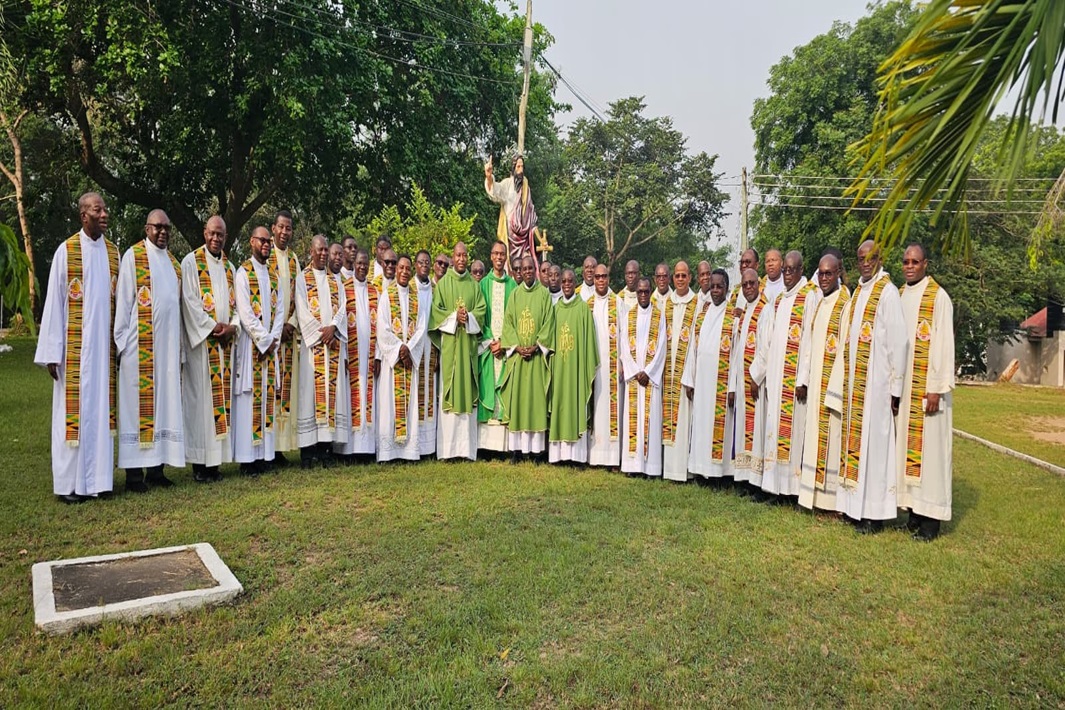
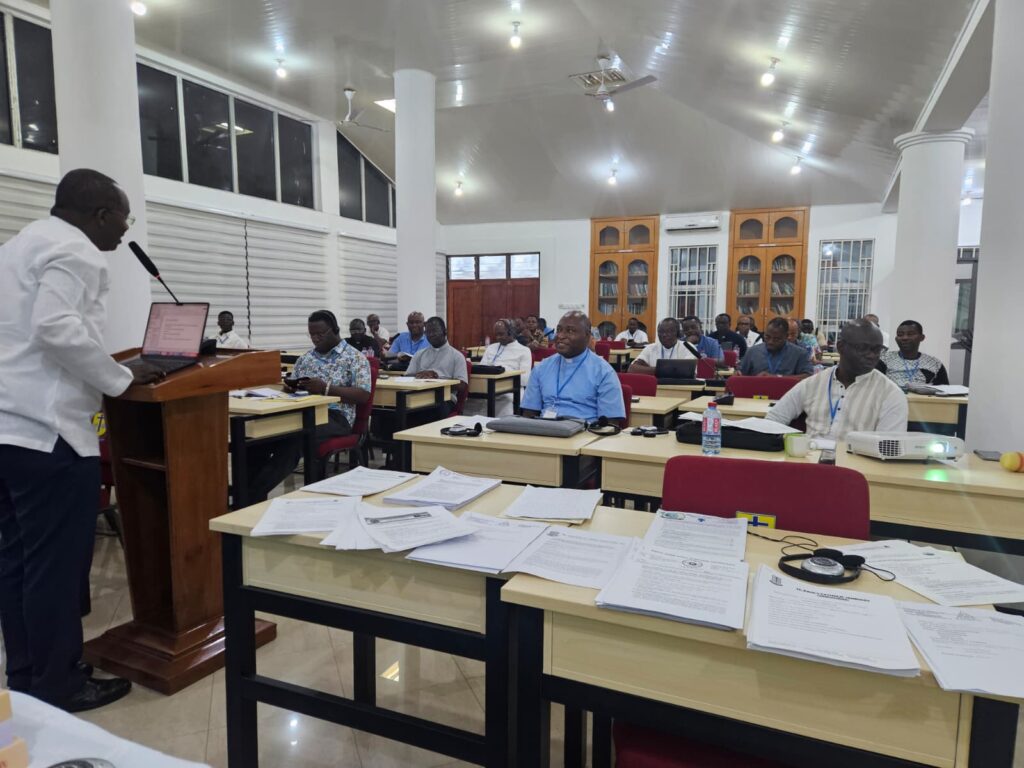
ACCRA, JANUARY 20, 2026(CISA)- The African Synodality Initiative (ASI), in collaboration with the Rectors of Major Seminaries in the Regional Episcopal Conference of West Africa (RECOWA), have concluded a Joint Workshop on Synodality Curriculum Development in Accra, Ghana. This workshop was part of the annual meeting of the Rectors of RECOWA held from January 13 to 17and chaired by Fr. Matthew Ihensekhien, the rector of Seminary of All Saints, Uhiele–Ekpoma, Nigeria. The event marked a significant step in advancing formation for ordained ministry in Africa in response to the vision and calls of the Synod on Synodality (2021–2024) and the magisterial guidance of Pope Francis and Pope Leo XIV.
This workshop hosted by St. Paul’s Catholic Seminary, Sowutuom–Accra and the rector, Fr. Joseph Okine-Quartey, was facilitated by Fr. Agbonkhianmeghe E. Orobator, SJ, Director of ASI and Dean of the Jesuit School of Theology of Santa Clara University (USA), and Fr. Marcel Uwineza, SJ, Associate Director of ASI and President of Hekima University College, Nairobi (Kenya). Both ASI facilitators bring extensive theological, pastoral, and leadership experience to this continental initiative.
The Synod on Synodality underscored a key realization that formation in synodality is indispensable for the life and mission of a constitutively synodal Church. In the Final Document (no. 148), the Synod explicitly called for the discernment and formation of candidates for ordained ministry to be undertaken in a synodal way characterized by listening, dialogue, communal discernment, collaboration, and the meaningful presence of women. To echo this urgency, Pope Leo XIV has repeatedly emphasized that without proper formation at every level, seminaries included, resistance and misunderstanding of synodality will persist.
Therefore, in response to this call, ASI and RECOWA rectors are piloting a structured and contextualized approach to embedding synodality into seminary formation through curriculum development.
The primary purpose of the Accra workshop was to develop, refine, and contextualize an introductory course on synodality for seminarians, that could be integrated into the academic and formational programs of selected major seminaries across the region in keeping with existing norms and adapted to local contexts.
Ahead of the meeting, ASI designed and circulated a draft syllabus and course outline titled “Introduction to the Foundations, Theology, and Practice of Synodality.” During the workshop, rectors of major seminaries engaged the draft critically, offering theological, pastoral, and contextual insights to refine the course objectives, content, pedagogy, and learning outcomes. Participants were enthusiastic about the potential benefits of this initiative for the formation of candidates for the priesthood.
The proposed course is designed as a 14-week introductory program, combining lectures, guided discussions, case studies, and the practice of Conversation in the Spirit. Among other themes, it introduces seminarians to: The biblical, historical, theological, and spiritual foundations of synodality; official Church teachings and documents on synodality; African theological perspectives and lived experiences of synodal practice; and practical skills in listening, dialogue, discernment, leadership, and collaborative pastoral ministry.
The pedagogy reflects the Synod’s insistence that formation itself must be synodal, forming the head, the heart, and the hands while remaining deeply rooted in the life of local Christian communities.
Following the workshop, participating major seminaries received a curated set of instructional and library resources on synodality, largely books authored or edited by African theologians. The seminaries were invited to pilot the course for one semester or one academic year, depending on their academic calendars. A follow-up workshop will later be convened to evaluate the pilot experience and further refine the curriculum for broader rollout.
This pilot phase targets major (grand) seminaries in Ghana, Togo, Nigeria, and Côte d’Ivoire, whose rectors participated in the workshop. These institutions represent the main formation centers for future priests in the RECOWA region.
This workshop builds on earlier engagements netween ASI and the rectors of major seminaries in RECOWA and represents a concrete response to the Church’s call to renew formation pathways for future ministers. By grounding synodality in African theological reflection, pastoral realities, and communal wisdom, the initiative seeks to equip future priests to serve as credible leaders of communion, participation, and mission.
As Fr. Orobator notes, the workshop is not simply about producing a course syllabus, but about cultivating a shared vision of formation that enables seminarians to live and lead synodally. In this sense, the workshop in Accra stands as a milestone in the ongoing journey toward a synodal Church in Africa which is deeply rooted in its local context and fully engaged with the universal mission of the Church.
