By Paschal Norbert
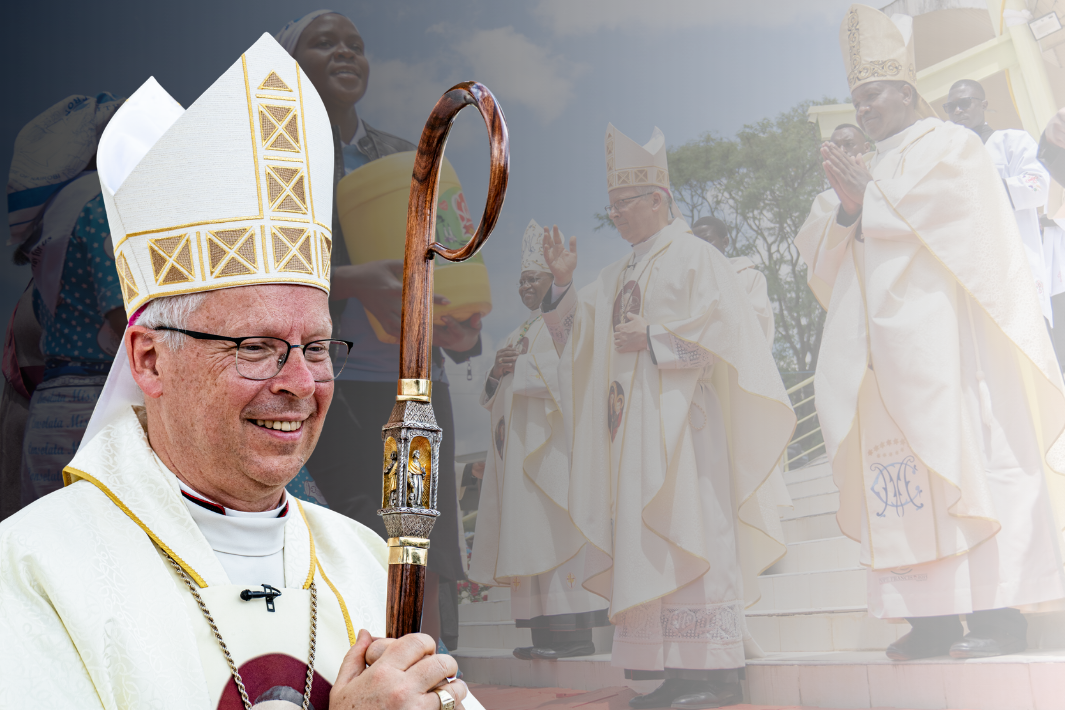
VATICAN, APRIL 10, 2026 (CISA) – Pope Leo XIV has appointed Archbishop Hubertus van Megen as the new Apostolic Nuncio to Germany, marking the end of a consequential diplomatic and ecclesial tenure in Kenya that has significantly reshaped the country’s Catholic landscape.
Archbishop van Megen, the Titular Archbishop of Novaliciana and until now the 9th Apostolic Nuncio to Kenya as well as Permanent Observer of the Holy See to the United Nations Environment Programme and UN-Habitat, succeeds Archbishop Nikola Eterović, whose resignation upon reaching the canonical age limit has been accepted by the Holy Father. His transfer to Germany signals both recognition of his diplomatic acumen and the closing of a formative chapter for the Church in Kenya.
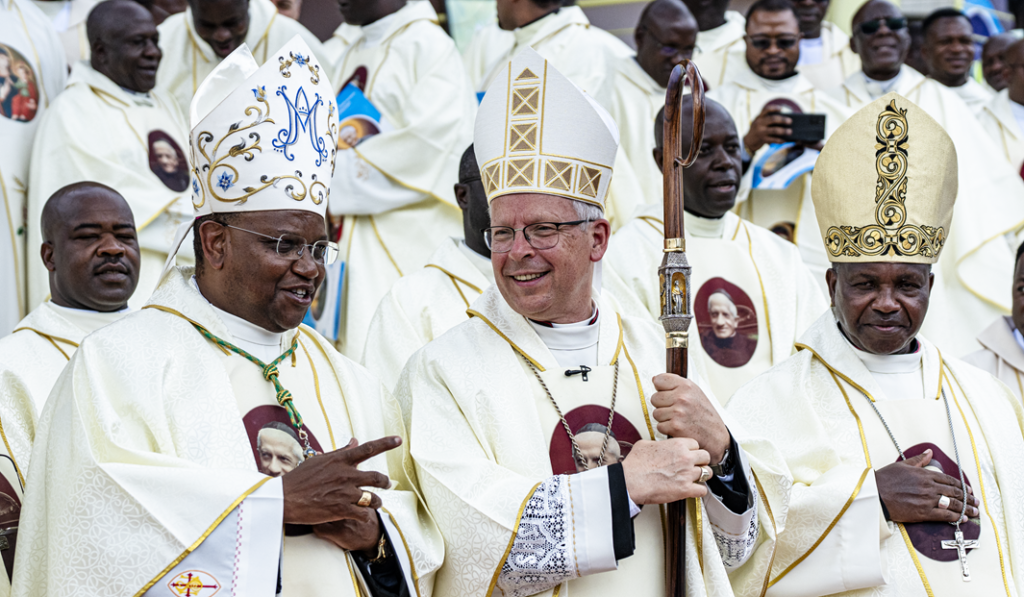
Born on October 4, 1961, in Eygelshoven in the Netherlands, Archbishop van Megen was ordained a priest for the Diocese of Roermond on June 13, 1987, before entering the diplomatic service of the Holy See. Over the years, he has built a profile as a seasoned Vatican diplomat, serving in Somalia and Brazil, and later at the Mission of the Holy See to the United Nations in Geneva as Counsellor of the Apostolic Nunciature. His steady rise within the diplomatic corps saw him appointed resident Chargé d’Affaires in Malawi in 2010.
On March 8, 2014, Pope Francis named him Titular Archbishop of Novaliciana and Apostolic Nuncio to Sudan, and he received episcopal consecration on May 17, 2014, from Cardinal Pietro Parolin. In June of that same year, he was also entrusted with the nunciature in Eritrea, further consolidating his experience in complex ecclesial and geopolitical contexts.
A Diplomat who Studied, Understood, and Reshaped the Church’s Future
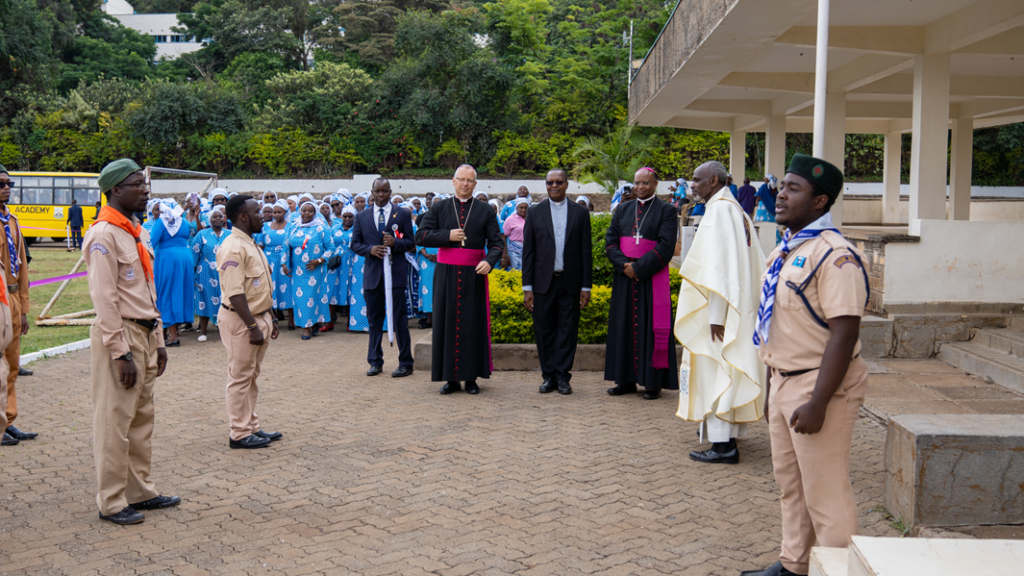
His appointment to Kenya in 2019 marked the beginning of what would become one of the most impactful nuncioships in the country’s recent history. Over a seven-year tenure, ranking among the longest for a papal representative in Kenya, Archbishop van Megen not only executed his diplomatic mandate but immersed himself in the life of the local Church with an attentiveness that many observers say fundamentally altered its trajectory. Before his appointment to Germany, he had effected a total of 27 episcopal movements within the Kenyan Church, influencing appointments, transfers, and elevations across dioceses and archdioceses. This extensive reconfiguration ensured that all 28 dioceses in the country were now under substantive ordinaries, eliminating prolonged vacancies and stabilizing ecclesial governance structures.
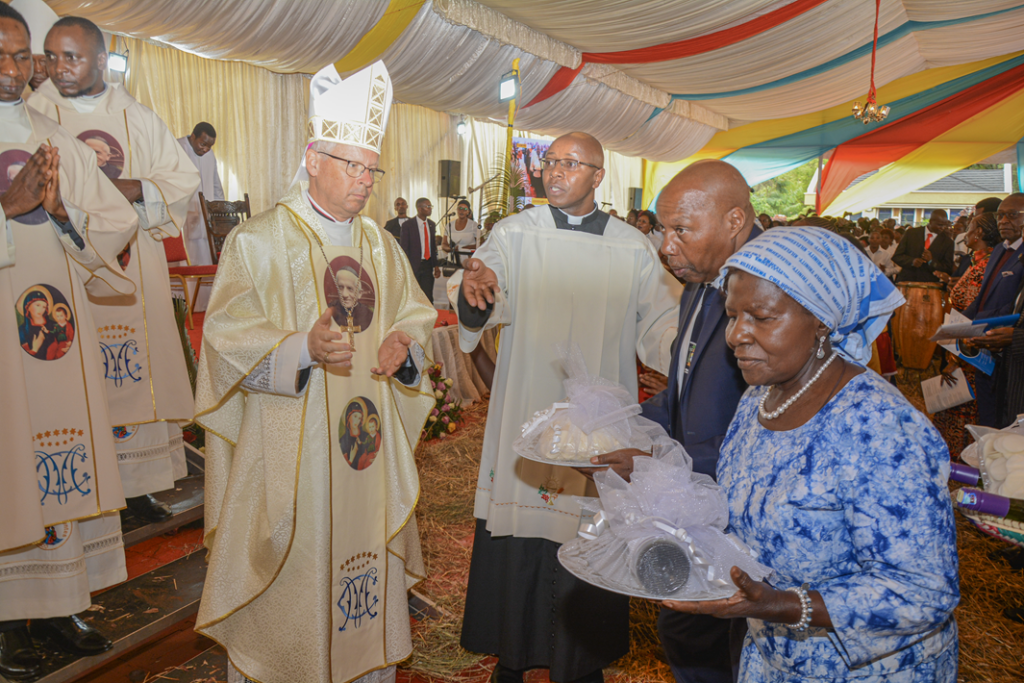
Many within ecclesial and theological circles in Kenya observe that he arrived, studied the Church in its complexity, understood its internal dynamics, and deliberately shaped its future. His imprint is particularly evident in the composition of the Kenya Conference of Catholic Bishops, which he is credited with helping to depoliticize and detribalize. By drawing from both diocesan clergy and religious congregations, he fostered a more balanced and representative episcopal body, one that reflects a rich tapestry of pastoral experiences and missionary orientations. The result has been a conference of prelates formed in a shared ecclesial vision yet diversified by distinct charisms, marking a departure from previous eras that were often criticized for narrower alignments.
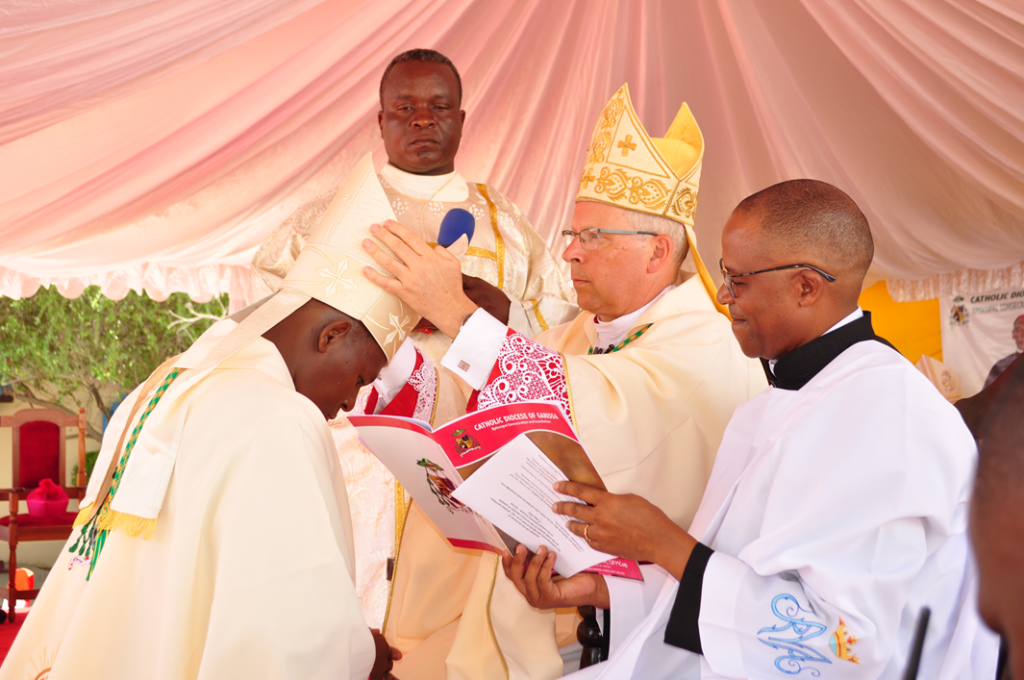
Direct, Reflective, and Pastoral: The Homilies that Challenged Church and Society
Archbishop van Megen’s pastoral engagement was not confined to administrative restructuring. His homilies became a defining feature of his ministry in Kenya, often direct and incisive, addressing the lived realities of the faithful with clarity and conviction. From the pulpit, he spoke to national concerns, challenged societal injustices, and did not shy away from calling out excesses within the clergy. Yet, his approach was never polemical; rather, it was marked by a depth of sociological insight and theological grounding that framed his words as invitations to introspection rather than condemnation. In this, he cultivated a moral voice that resonated both within and beyond ecclesial circles.
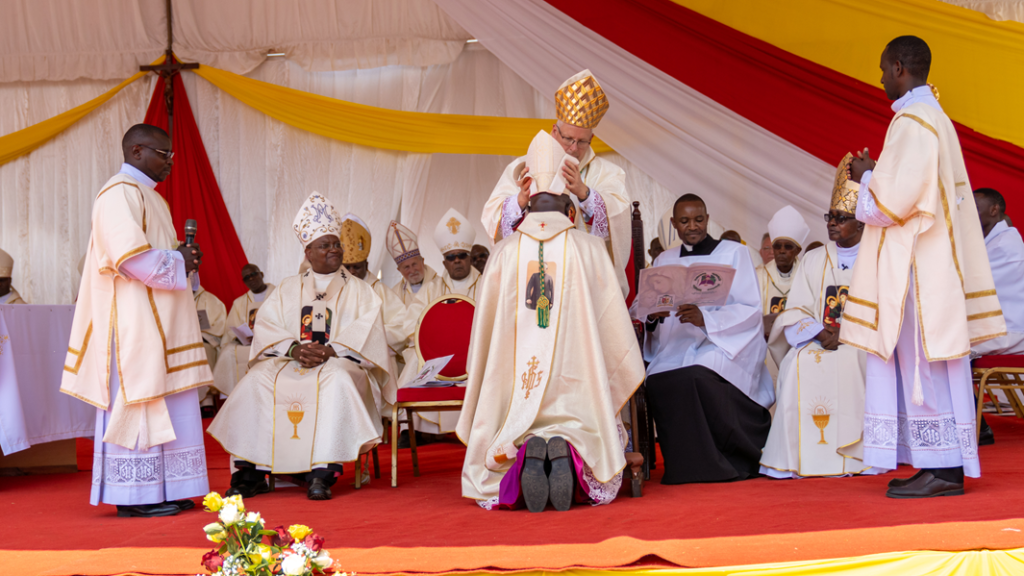
His role as principal consecrator of 16 bishops between 2020 and 2026, nearly half of the current episcopal conference, further underscores his lasting influence. In each of these consecrations, he consistently charged the new bishops to “empty themselves as Christ” in their leadership, emphasizing accountability, collaboration, and fidelity to the image of Christ the Good Shepherd. This theological motif became something of a hallmark of his episcopal vision, shaping a generation of Church leaders with a shared pastoral ethos.
A Legacy of Inculturation, Accessibility, and Ecclesial Renewal
Beyond structures and liturgies, Archbishop van Megen’s openness and accessibility endeared him to many among the faithful. He was frequently seen engaging directly with communities, embodying a pastoral presence that transcended formal diplomatic boundaries. His commitment to inculturation, living and expressing the Gospel within the cultural realities of the people, left a profound mark, reinforcing a vision of the Church that is both authentically Catholic and deeply rooted in local contexts.
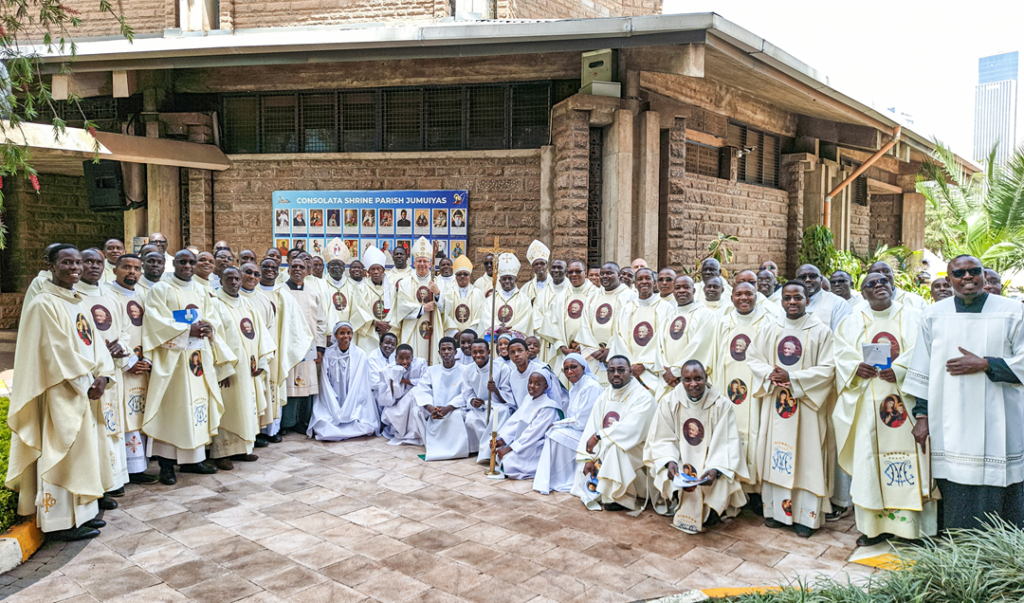
As he now prepares to assume his new role in Germany, Archbishop van Megen leaves behind a Kenyan Church markedly transformed in structure, leadership, and pastoral direction. His legacy is one of deliberate institutional strengthening, theological clarity, and a renewed sense of ecclesial identity. While his diplomatic mission continues in a new context, the imprint of his years in Kenya is likely to endure, shaping the Church’s path for years to come.
