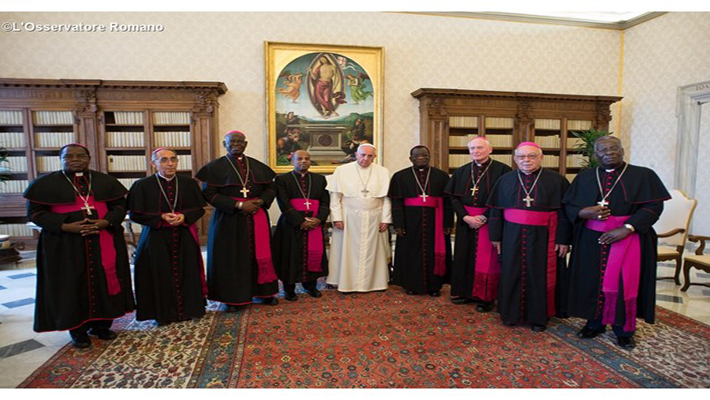
HARARE, DECEMBER 16, 2025 (CISA) – The Zimbabwe Catholic Bishops’ Conference (ZCBC) has called on Catholics, people of faith and all citizens to pray and actively campaign against a proposed Medical Services Bill that could expand access to abortion in the country.
In a pastoral statement dated December 13, 2025, and read at all Masses on Sunday, December 14, the bishops warn that the bill seeks to amend the Termination of Pregnancy Act in ways that threaten the sanctity of human life and signal what they describe as a dangerous shift in national values.
The bishops’ statement strongly opposes abortion, which the bishops describe as an “evil” that would sanction the “massacre of the innocent” and undermine Zimbabwe’s long-held cultural reverence for life. Citing Deuteronomy 30:19, the bishops urge believers to “choose life,” insisting that the Church is “totally against abortion” and must speak out in defence of the unborn.
The intervention comes as the Senate prepares to vote on the Medical Services Bill in the coming week. According to the bishops, passing the legislation would be a regressive move for a country that recently abolished the death penalty, and would contradict traditions that protect life from conception to natural death.
In an appeal directed at lawmakers, the bishops urge senators to examine their consciences and resist what they term pressures of “money, political correctness or the desire for relevance.” They caution against what they call worship at the “altar of human sacrifice,” warning that history will judge harshly those who fail to protect the most vulnerable members of society.
The ZCBC also encouraged Catholics and concerned citizens to contact their senators to express opposition to the bill, framing civic engagement as a moral duty grounded in both faith and national culture.
Church officials say the statement reflects a broader effort by religious leaders to influence public policy on moral questions, with the ZCBC positioning itself as a leading advocate for the protection of unborn life within Zimbabwe’s legislative process.
Currently, Zimbabwean law permits abortion only in limited circumstances, including when a pregnancy endangers the life of the mother, results from rape or incest, or involves severe fetal abnormalities. Critics of the proposed bill argue that the amendments would significantly widen access to abortion, including provisions that could allow termination on request up to 12 weeks and permit minors to obtain abortions without parental consent.
Supporters of the bill, however, maintain that the reforms are necessary to modernize the country’s reproductive health framework, reduce unsafe abortions and bring the law into line with constitutional provisions. They point to a High Court ruling that declared aspects of the existing law unconstitutional, particularly regarding the rights of women with mental health challenges.
