By Caroline Kavita
“The supreme rule in the Church is love. No one is called to dominate; all are called to serve. No one should impose his or her own ideas; we must all listen to one another. No one is excluded; we are all called to participate. No one possesses the whole truth; we must all humbly seek it and seek it together.”
-Pope Leo XIV
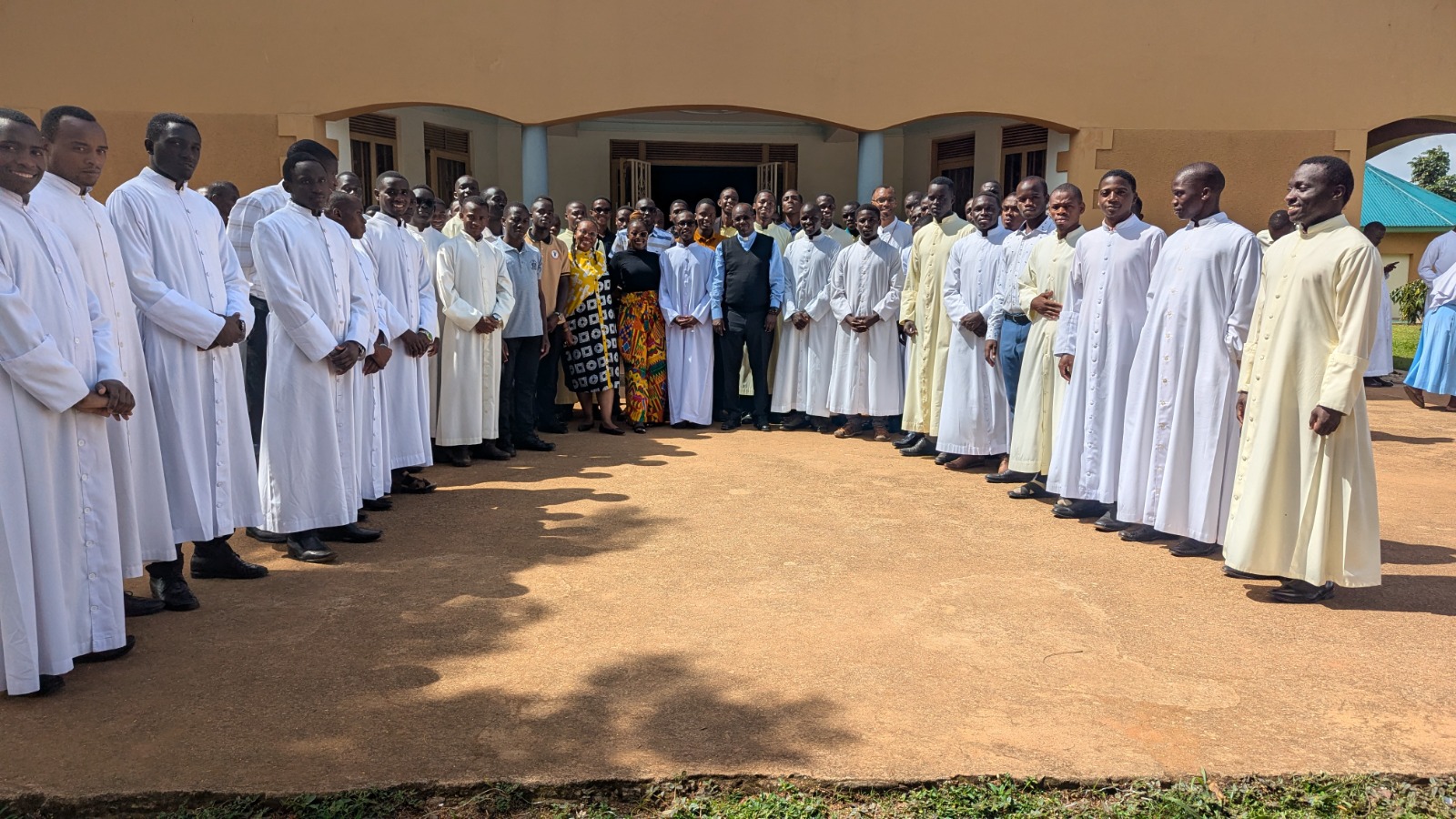
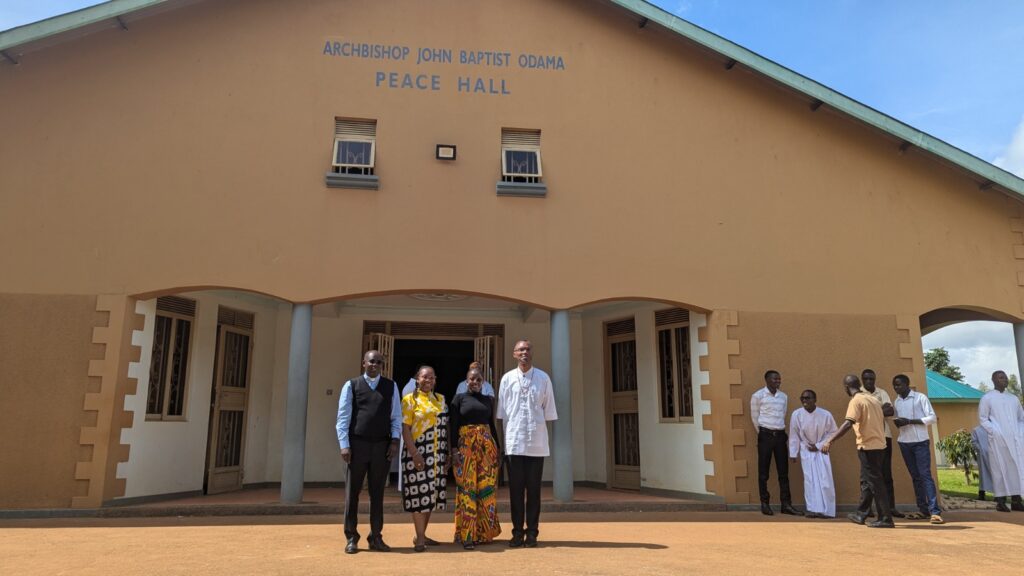
GULU, NOVEMBER 12, 2025 (CISA) In continued response to the late Pope Francis’s call for a Church that “journeys together,” the Uganda Martyrs’ National Major Seminary, Alokolum, in partnership with the African Synodality Initiative (ASI), hosted a two-day formation workshop on Synodality and Synodal Pastoral Leadership FROM . The October workshop brought together seminarians priest-formators, religious sisters, lecturers, lay members of staff, men and women to deepen their understanding of synodality as a way of life in the Church rooted in communion, participation, and mission.
This workshop forms part of ASI’s ongoing continental programme aimed at strengthening pastoral formation in major national seminaries. Since 2023, similar workshops have been held in Rwanda, Ivory Coast, South Africa, Nigeria, and Namibia, engaging bishops, rectors, religious, and hundreds of seminarians. The initiative seeks to support African local Churches in implementing the outcomes of the Synod on Synodality (2021–2024) as the Church journeys toward the 2028 Ecclesial Assembly.
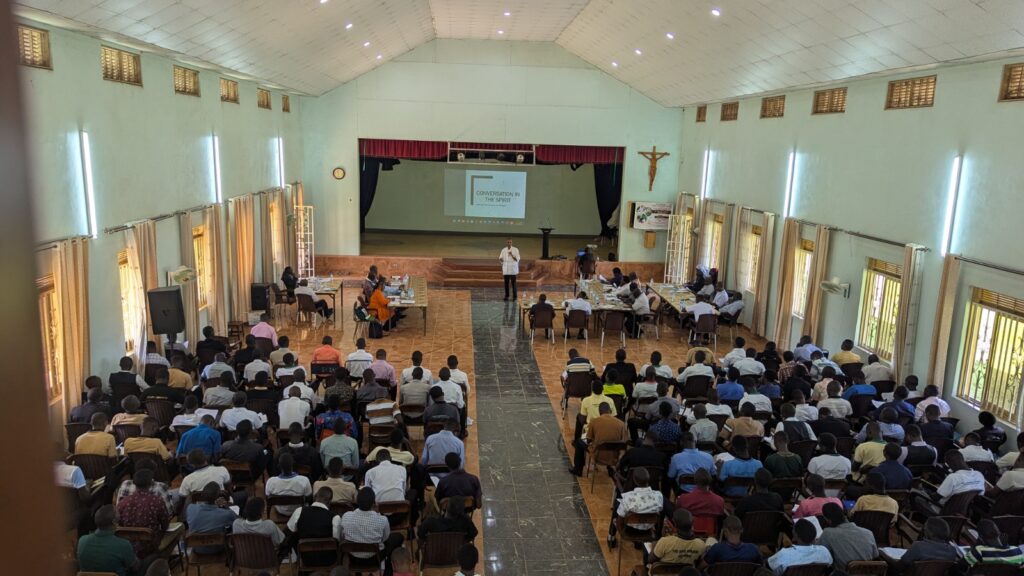
The workshop was facilitated by a team from the African Synodality Initiative (ASI), each bringing deep experience in theological formation, pastoral leadership, and synodal spirituality and practice. Fr. Agbonkhianmeghe E. Orobator, SJ, Dean of the Jesuit School of Theology of Santa Clara University and a delegate at the Synod on Synodality, offered insights into the meaning and process of synodality in the Church today.
Fr. Marcel Uwineza, SJ, President of Hekima University College (HUC) and Associate Director of ASI, guided participants on integrating synodal values into priestly formation and leadership. Sr. Anne Arabome, SSS, theologian, spiritual director, and founder of the Sophia Institute for Theological Studies and Spiritual Formation, led the session on the spiritual foundations of synodality and the vital role of women in ecclesial life.
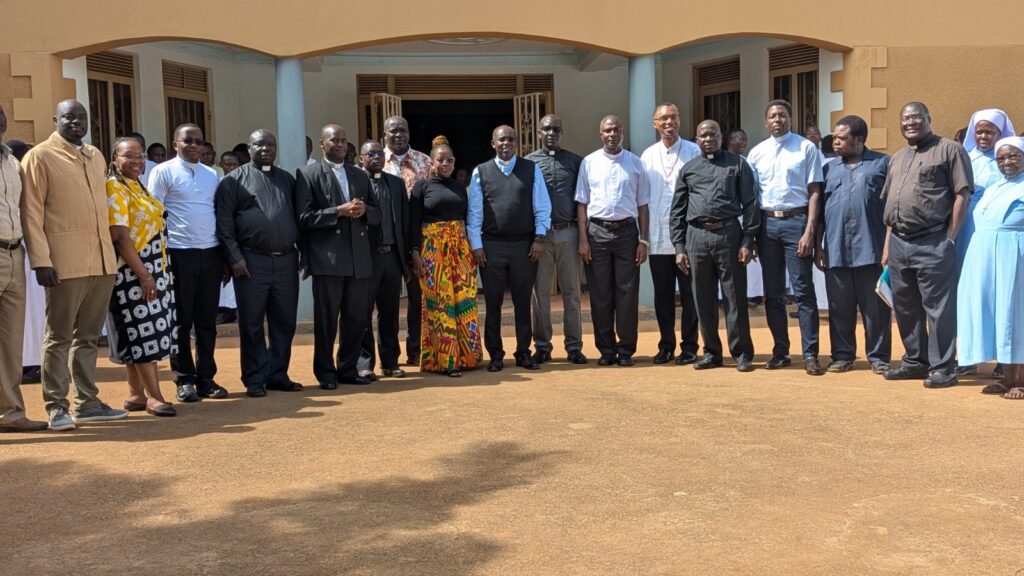
Ms. Ndanu Mung’ala, a specialist in pastoral accompaniment, youth engagement and with extensive experience in peacebuilding, gender, and social cohesion, led reflections on listening to the signs of the times and fostering inclusive participation while Ms. Caroline Kavita, Programme Coordinator of ASI and a skilled practitioner in group facilitation, animated the sessions on Conversation in the Spirit, enabling participants to experience synodality as a lived, communal experience.
The workshop employed a participatory and experiential methodology rooted in Conversation in the Spirit as faciliated by Fr. Orobator. Sessions combined presentations, private prayer, dialogue in small groups, plenary sharing, guided meditation, and reflective silence to foster deep listening and communal discernment. Case scenarios and structured group exercises allowed participants to practice synodal leadership skills in real-life pastoral contexts, ensuring not only theoretical understanding but lived experience of journeying, discerning, and deciding together as a community.
The spirit and meaning of synodality
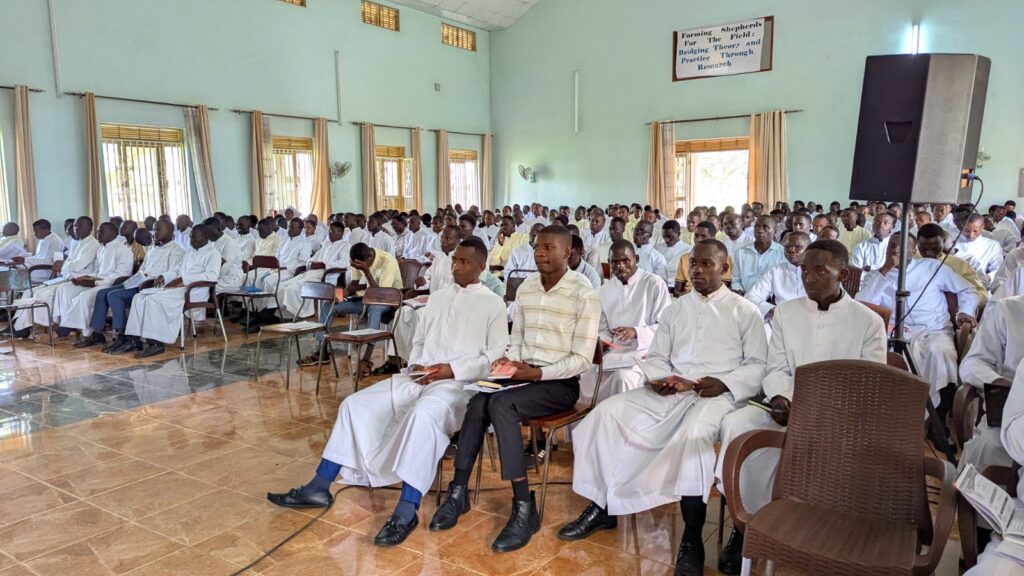
In his thematic presentation, Fr. Orobator, emphasized that synodality is not a new invention but “the Church’s ordinary way of living and working.” He described the synodal Church as one that listens attentively to God, to one another, and to the cries of the world. “Listening is not merely hearing,” he explained, “but a mutual openness where each person learns and each listens to the Spirit of truth.”
Synodality, he added, is a journey, not a one-time event. It calls the Church to walk together in prayer, discernment, and shared responsibility replacing the once dominant pyramidal and clericalist structures with a community of co-responsibility in mission.
Formation for synodal leadership
In his presentation, Fr. Uwineza stressed that synodality is constitutive of the Church and must therefore shape priestly formation. Human, spiritual, intellectual, and pastoral formation must cultivate empathy, humility, interior conversion, and dialogue. Seminarians are therefore called to be ministers set apart, but not set above the people of God. He highlighted the importance of integrating listening, consultation, and shared mission into daily seminary life reminding the partcipants that they are called to be feet washers just as Jesus was.
Listening to the signs of the times
On the second day, Ms. Mung’ala led a session on the Church’s responsibility to engage the challenges and hopes of today’s world. Drawing from Gaudium et Spes, she called participants to journey with youth, women, and the marginalized.
She highlighted the example of Jesus, the Blessed Virgin Mary, and the Uganda Martyrs, especially St. Joseph Mukasa Balikuddembe, whose courageous witness reflects the spirit of communion, participation, and mission. Her contextualisation allowed the participants to relate with their own pastoral realities and to see synodality not as an abstract concept but as a lived journey of compassion, solidarity, and shared mission.
Women at the heart of synodality
Sr. Arabome reflected on the indispensable role of women in the life and mission of the Church. Women, she noted, are often the first transmitters of faith in families and communities, and the Synod urges their greater involvement in formation, leadership, and pastoral discernment. She quoted Pope Francis’s words: “The Church cannot be understood without women.” This message was echoed powerfully in the workshop discussions.
A Living experience of Journeying together
In addition to thematic presentations, participants engaged in conversation in spirit in small groups, case scenarios, and prayerful communal discernment. These exercises enabled seminarians to experience synodality not only as theory but as lived practice. Many described the atmosphere as transformative, fostering deeper relationship, authentic listening, and renewed commitment to mission.
The workshop concluded with a closing Mass presided by the Most Rev. Raphael p’Mony Wokorach, MCCI, Archbishop of Gulu. In his homily, he emphasized the call to listen deeply, lead with faith, and draw inspiration from the Uganda Martyrs as models of courageous witness.
He encouraged the seminarians to actively practice synodality in their formation and promised to collaborate with the Rector to develop opportunities for engagement with Small Christian Communities. In his closing remarks, the Rector, Rev. Fr. Joseph Ssekanyyo, expressed gratitude to the African Synodality Initiative, noting, “You came to us and spoke in a language we understood.” This highlights the importance of ASI’s ongoing contextualized formation across the diverse realities of the African Church and grounded in local cultures.
This workshop follows a continued series of ASI-led formation engagements across the continent, including:
- Saint Charles Borromeo Major Seminary, Rwanda (2023) – 201 participants
- IMBISA Formators Meeting, Pretoria (2024) – 28 participants
- Marist Brothers Leadership Workshop, Enugu (2024) – 27 participants
- RECOWA Rectors Conference, Ivory Coast (2025) – 29 participants
- St. Charles Lwanga Seminary, Namibia (2025) – 46 participants
- National Missionary Seminary of St. Paul, Abuja (2025) – 146 participants
As the Church in Africa prepares for the 2028 Ecclesial Assembly, the seeds planted through these formation programmes will continue to shape leaders who serve with humility and foster collaboration in the shared mission of the church.
