CISA
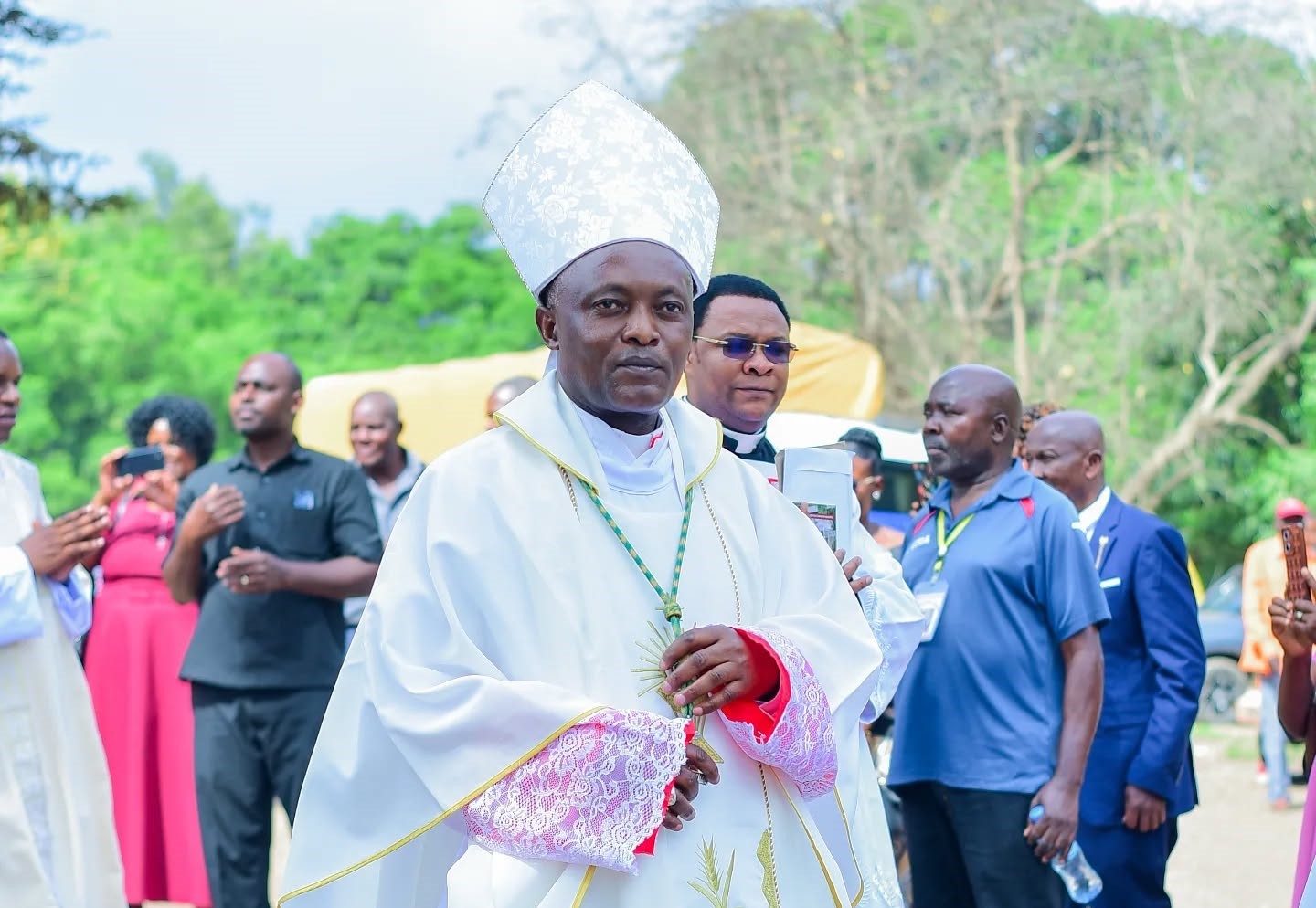
VATICAN CITY, JANUARY 9, 2026 (CISA) —Pope Leo has erected the Catholic Diocese Bariadi in Tanzania, carving the new diocese from the territory of the Diocese of Shinyanga and establishing it as a suffragan of the Metropolitan Archdiocese of Mwanza. At the same time, the Holy Father has appointed Bishop Prosper Baltazar Lyimo, Auxiliary Bishop of the Archdiocese of Arusha, as the first bishop of the newly created ecclesiastical circumscription.
The establishment of the Diocese of Bariadi responds to the pastoral and demographic growth of the Church in northwestern Tanzania and is intended to enhance evangelization, pastoral governance, and closer accompaniment of the faithful in the region. The episcopal see of the new diocese will be located in the town of Bariadi.
Until a permanent cathedral is completed, the parish church of St. John the Evangelist in Bariadi will serve as the diocesan cathedral. The future cathedral, dedicated to St. Luke, is currently under construction and is expected to become a central symbol of the new diocese’s ecclesial identity.
Profile of the Founding Bishop
Bishop Prosper Baltazar Lyimo was born on August 20, 1964 in the village of Kyou, within Kilema Municipality in Moshi District, Kilimanjaro Region, in the Diocese of Moshi. He undertook his primary education in Ngurdoto, Arusha, before joining St. Thomas Aquinas Minor Seminary in Arusha. He later studied philosophy at Our Lady of Angels Seminary in Kibosho, Moshi, and theology at Saint Paul’s Seminary in Kipalapala, Tabora.
Ordained a priest for the Metropolitan Archdiocese of Arusha on July 4, 1997, Bishop Lyimo has served the Church in various pastoral and administrative roles. He worked as a formator at St. Thomas Aquinas Minor Seminary in Oldonyosambu from 1997 to 1999 and served as Chancellor of the Archdiocese of Arusha during two separate terms between 2000 and 2008.
He pursued advanced studies in canon law, earning a licentiate from the Pontifical Urbaniana University in Rome in 2007 and a doctorate in canon law from Saint Paul University in Ottawa, Canada, in 2011. Upon his return to Tanzania, he served as Chancellor and Judicial Vicar of the Archdiocese of Arusha from 2011 to 2014.
On November 11, 2014, Pope Francis appointed him Titular Bishop of Vanariona and Auxiliary Bishop of Arusha. He received episcopal consecration on February 15, 2015. With his new appointment, Bishop Lyimo becomes the founding bishop of the Diocese of Bariadi.
Pastoral and Demographic Profile of the New Diocese
Before the division, the Diocese of Shinyanga covered an area of approximately 31,500 square kilometers and served a population of over 4.4 million people. Catholics numbered about 880,000, ministered to by 43 parishes, 88 diocesan priests, and 18 religious priests, supported by men and women religious, seminarians, and various Church institutions.
Following the erection of the Diocese of Bariadi, the new diocese covers an area of 16,638 square kilometers with a population of approximately 1,221,540 people. Of these, an estimated 366,000 are Catholics. Pastoral care in the new diocese will be provided through 19 parishes, served by 35 diocesan priests and eight religious priests. The Diocese of Bariadi also counts four men religious, 32 women religious, and 48 seminarians, reflecting a strong foundation for future vocations.
In terms of social and pastoral outreach, the new diocese oversees seven educational institutions and seven healthcare facilities, underscoring the Church’s commitment to education and healthcare as integral components of its evangelizing mission.
Reconfigured Diocese of Shinyanga
After the territorial division, the Diocese of Shinyanga now covers 14,862 square kilometers and serves a population of approximately 3,221,539 people, including about 514,000 Catholics. The diocese retains 24 parishes, staffed by 53 diocesan priests and 10 religious priests, alongside seven men religious, 44 women religious, and 56 seminarians. It continues to run 12 educational institutions and nine healthcare facilities.
