By Paschal Norbert
“As bishops, we recognize that there are political differences, but these should never result in the persecution of a church leader or place his life in danger,” Archbishop Chama said.
LUSAKA, JANUARY 9, 2026 (CISA) – Tension continues to mount between the Catholic Church and the Zambian government following the summoning of Most Rev. Alick Banda, Archbishop of the Catholic Archdiocese of Lusaka, by the Drug Enforcement Commission (DEC) over allegations of unlawful possession of a Toyota Hilux motor vehicle, a move that has drawn sharp criticism from the Zambia Conference of Catholic Bishops (ZCCB).
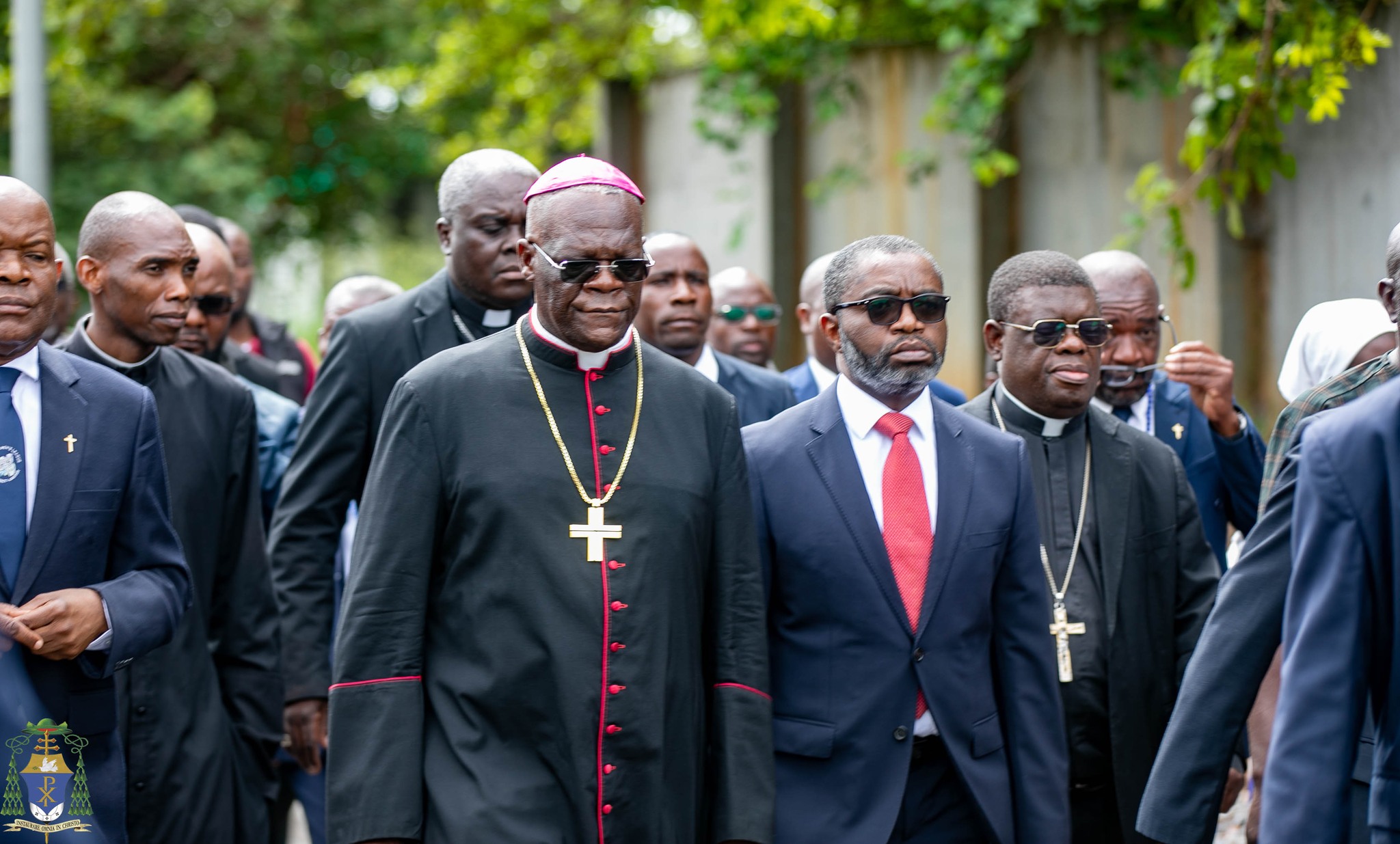
Archbishop Banda appeared before the DEC on January 5, 2026, after receiving a summon dated December 31, 2025. The appearance was marked by an unprecedented public show of ecclesial solidarity, as the Archbishop was escorted by the Bishop of Solwezi, Rt. Rev. Charles Kasonde, and the Bishop of Mpika, Rt. Rev. Edwin Mulandu, alongside priests, men and women religious, and a large number of lay faithful who accompanied him to the commission’s offices in Lusaka.
Background to the Summons
The ongoing case centres on a Toyota Hilux vehicle that was reportedly given to Archbishop Banda as a gift but later returned after concerns were raised about its status. Despite the vehicle having been surrendered long ago, the matter has resurfaced and become the subject of criminal investigations by the DEC, prompting the summons of the Archbishop.
Archbishop Banda, a vocal and consistent critic of the current administration led by President Hakainde Hichilema, has previously spoken out on governance, corruption, and social justice issues. Church leaders now argue that the investigation has taken on political overtones, particularly in light of longstanding and publicly known tensions between the Archbishop and the Head of State.
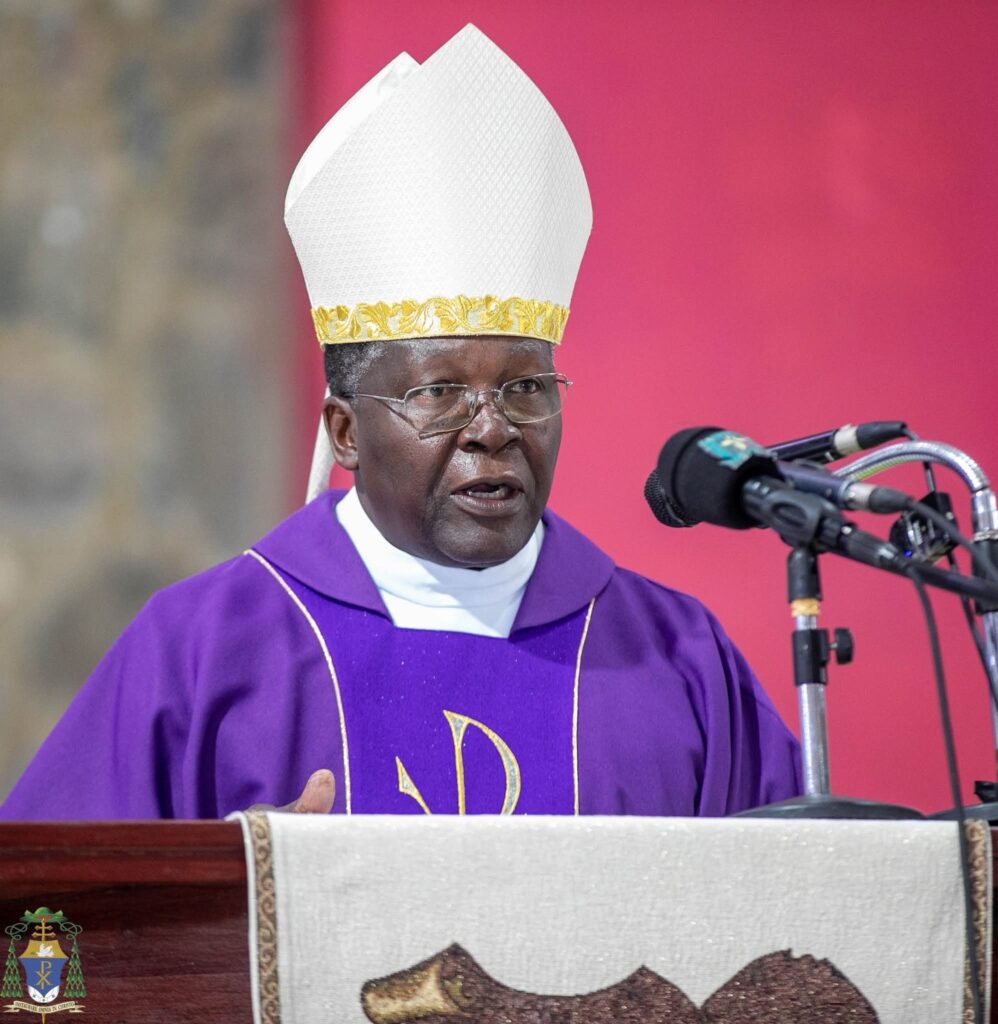
In response to the summons, the ZCCB issued a message of solidarity with Archbishop Banda, directing that it be read in Catholic parishes across the country. The Bishops expressed grave concern over what they described as harassment and persecution of the Lusaka Archbishop through the use of state institutions.
ZCCB President and Archbishop of Kasama, Most Rev. Ignatius Chama, has since raised alarm over the safety and well-being of Archbishop Banda, warning that the situation has escalated to a level that endangers his life.
Speaking on Lutanda Radio in Kasama, Archbishop Chama said Archbishop Banda was being threatened, humiliated, and persecuted through state mechanisms over a matter involving a vehicle that had already been returned.
Archbishop Chama acknowledged that deep political differences exist between President Hakainde Hichilema and Archbishop Banda but regretted that such differences had allegedly created an environment aimed at forcing the removal of the Lusaka Archbishop.
“As bishops, we recognize that there are political differences, but these should never result in the persecution of a church leader or place his life in danger,” Archbishop Chama said. “Life is sacred. It is made in the image of God and must be protected.”
He warned that the use or abuse of state institutions against perceived rivals undermines not only the Church but also the broader well-being of the nation.
Drawing from a familiar African proverb, he cautioned: “When elephants fight, it is the grass that suffers,” noting that it is ordinary citizens and the faithful who bear the consequences of political conflicts.
The Archbishop further lamented that the unfolding events had become “fodder” for those who wish to silence voices that speak uncomfortable truths, adding that the Church had hoped personal or political disagreements would never spill over into actions that harm the faithful of the Archdiocese of Lusaka.
Calling for restraint and dialogue, Archbishop Chama urged all parties to seek a peaceful resolution to the matter. He warned that continued escalation risks deepening divisions and damaging public trust in institutions meant to serve justice and the common good.
