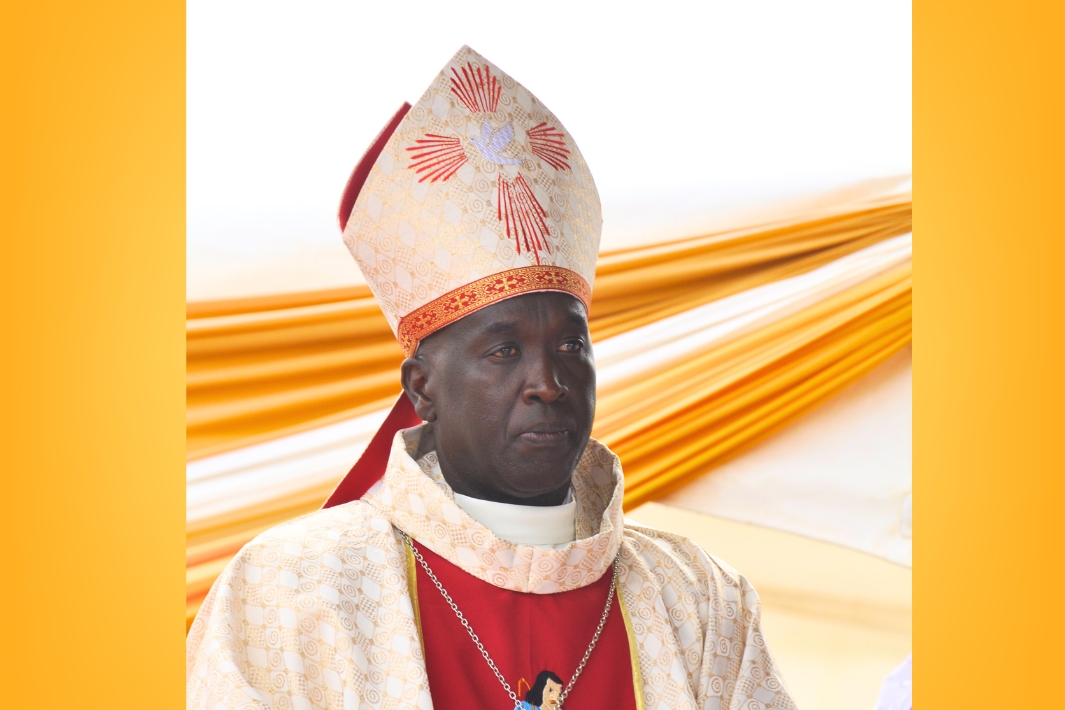
The Case of Most. Rev. Dominic Kimengich, Coadjutor Archbishop-elect of Mombasa
The appointment of a coadjutor bishop or archbishop is one of the clearest examples of the Church’s commitment to continuity, stability, and orderly succession in episcopal governance. In the case of Most. Rev. Dominic Kimengich, named Coadjutor Archbishop-elect of Mombasa, the Holy See has effectively pre-empted a future vacancy in the archdiocese and ensured a seamless pastoral transition.
What follows is a step-by-step explanation of what happens after such an appointment.
1. Papal Appointment and Canonical Status
The process begins with the formal papal appointment, announced by the Holy See on January 28, 2026. From that moment, Bishop Dominic Kimengich assumes the canonical title of Coadjutor Archbishop-elect of Mombasa. Unlike an auxiliary bishop, a coadjutor bishop is appointed with the right of succession, meaning he is designated in advance to become the diocesan bishop.
In accordance with canon 403 §3, he is also granted special faculties, which place him closer to the governance of the Archdiocese than an auxiliary bishop. Most significantly, canon 409 §1 stipulates that when the diocesan bishop resigns, retires, or dies, the coadjutor automatically succeeds him, without the need for a new papal appointment.
2. No New Episcopal Ordination
Although Bishop Kimengich is being appointed to an archiepiscopal see, he will not receive a new episcopal ordination. Episcopal ordination is conferred only once and is not repeatable. All bishops, whether diocesan bishops, archbishops, cardinals, or even the Pope, share the same sacramental fullness of the episcopacy.
Consequently, promotion from bishop to archbishop represents a change in office and jurisdiction, not an increase in sacramental order. This same ecclesiological principle applied when Cardinal Robert Francis Prevost was elected Pope Leo XIV: no new ordination was required.
3. Introduction and Liturgical Reception in Mombasa
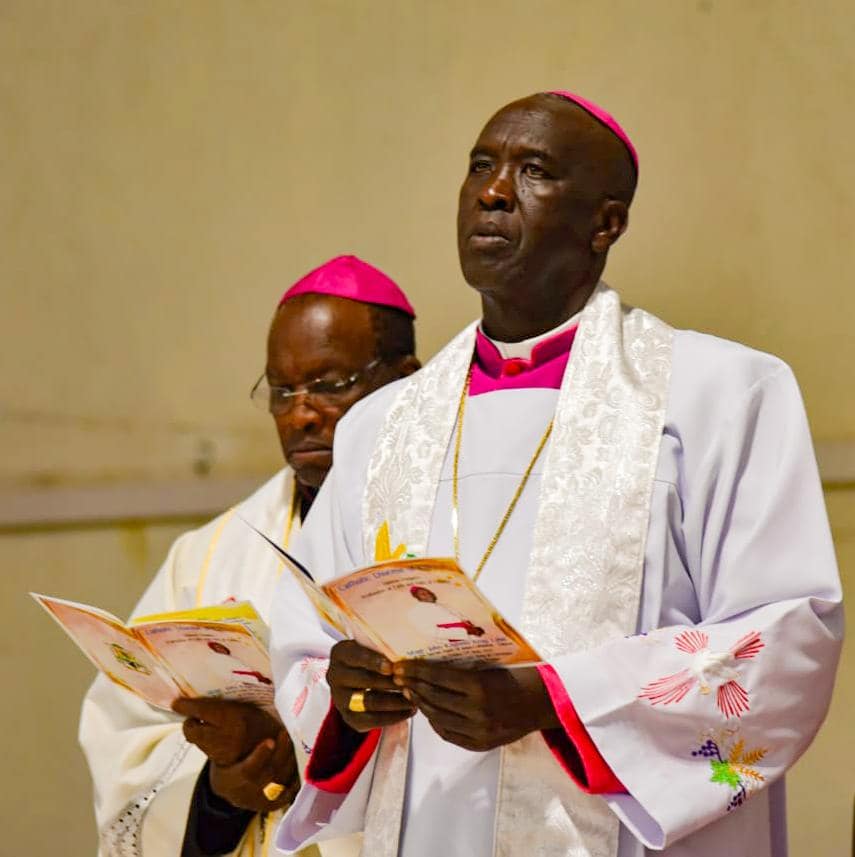
Since Bishop Kimengich is already a validly ordained bishop, the Church provides for a formal welcome and liturgical reception, rather than an ordination. According to established liturgical norms, he will be introduced to the faithful during the celebration of the Eucharist at Holy Ghost Cathedral in the Archdiocese of Mombasa.
The introduction ordinarily takes place after the greeting of the people, at which point the diocesan bishop, Archbishop Martin Kivuva Musonde, formally welcomes him. The coadjutor then joins the Archbishop in concelebrating the Eucharist, a visible expression of ecclesial communion and shared pastoral responsibility.
4. Period of Shared Ministry and Familiarization
From his installation as coadjutor until the retirement of the current Archbishop, Bishop Kimengich enters a transitional period of shared pastoral ministry. During this time, he becomes closely acquainted with the clergy, religious, and lay faithful of the Archdiocese.
He also gains firsthand knowledge of the pastoral realities, administrative structures, and ongoing challenges facing the local Church in Mombasa. Because the diocesan Archbishop remains in office, the coadjutor benefits from the guidance and experience of his predecessor, ensuring continuity and stability in leadership. This period reflects the Church’s pastoral wisdom, in which succession is not abrupt but gradual, relational, and well prepared.
5. The Mandatory Retirement of the Diocesan Archbishop
In the Catholic Church, diocesan bishops are required by canon law to submit their resignation upon reaching the age of 75. Archbishop Martin Kivuva Musonde is expected to attain this age on February 10, 2027. Once the Holy Father accepts his resignation, the Archdiocese would ordinarily enter a period of vacancy. However, because Mombasa already has a coadjutor archbishop, no such vacancy will occur.
6. Immediate Succession: Assumption of Full Authority
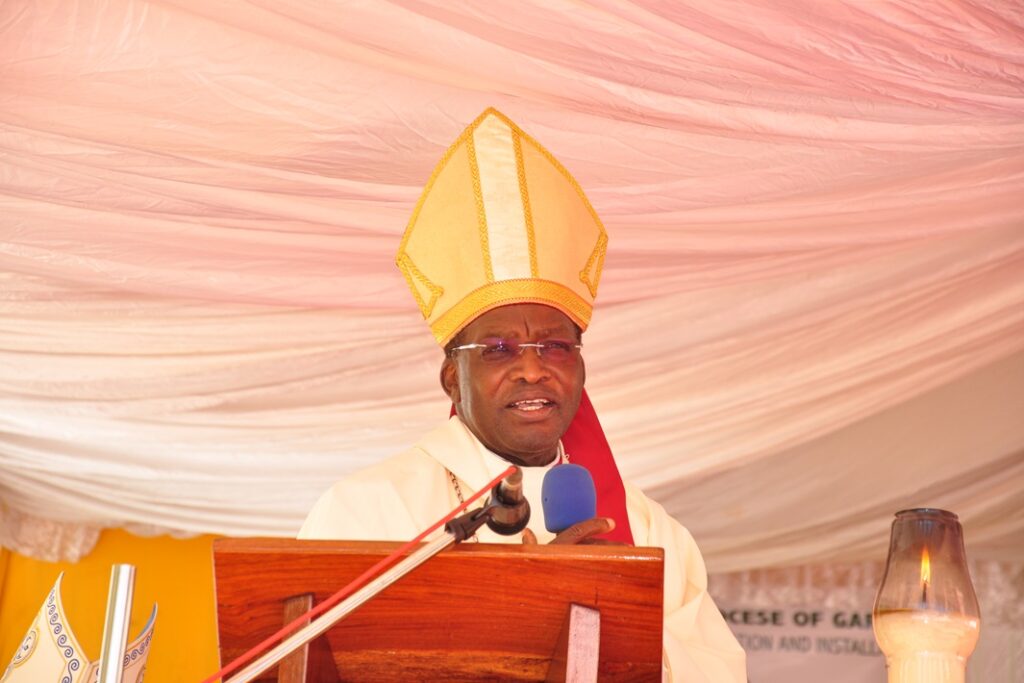
At the moment the resignation, as was the case in the Diocese of Meru on January 1, 2026, and as will similarly occur in the Diocese of Machakos, takes effect, Most Rev. Dominic Kimengich automatically becomes the Archbishop of Mombasa. There is no interim administrator, no period of sede vacante, and no delay in governance. Authority transfers immediately and seamlessly, precisely as envisioned by canon law. This automatic succession is the defining characteristic of a coadjutor bishop and the principal reason such appointments are made.
7. Installation as Metropolitan Archbishop
Once he assumes office as Archbishop of Mombasa, Archbishop Kimengich will undergo an installation ceremony, not an ordination. He formally takes possession of the Archdiocese through the proclamation of the Apostolic Letter (Papal Bull) and by taking his seat in the cathedra, the bishop’s chair, in the cathedral church. This act signifies his full pastoral, juridical, and teaching authority over the local Church.
8. The Pallium: Sign of Metropolitan Authority
As Archbishop of Mombasa, a metropolitan see, Archbishop Kimengich will also receive the pallium, a woolen vestment that symbolizes communion with the See of Peter, pastoral authority over the ecclesiastical province, and his role as a point of unity among the suffragan dioceses. Under the practice introduced by Pope Francis, the pallium is blessed by the Pope on June 29, the Solemnity of Saints Peter and Paul, in Rome. The newly appointed metropolitan archbishops receive it privately from the Holy Father, while the public and official imposition takes place later in the archbishop’s home diocese.
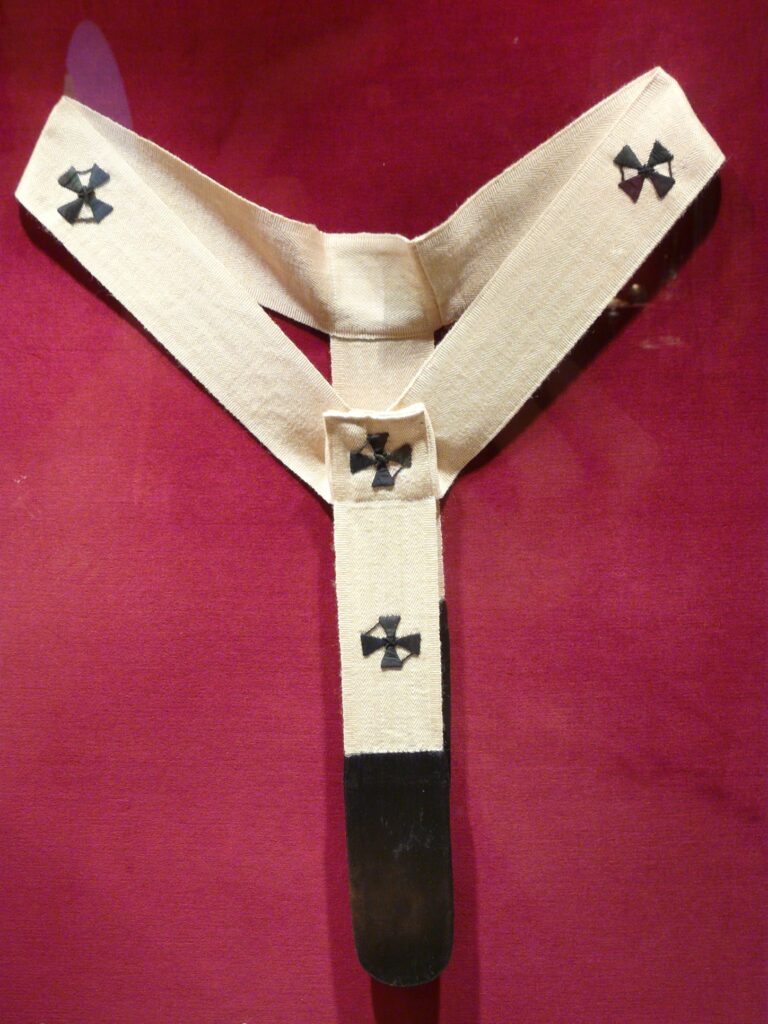
This reform highlights the Church’s emphasis on synodality and strengthens the bond between the metropolitan archbishop and his local Church. Bishops from the suffragan dioceses of Garissa and Malindi are expected to attend the ceremony, making it a significant ecclesial moment in the life of the Archdiocese of Mombasa.
